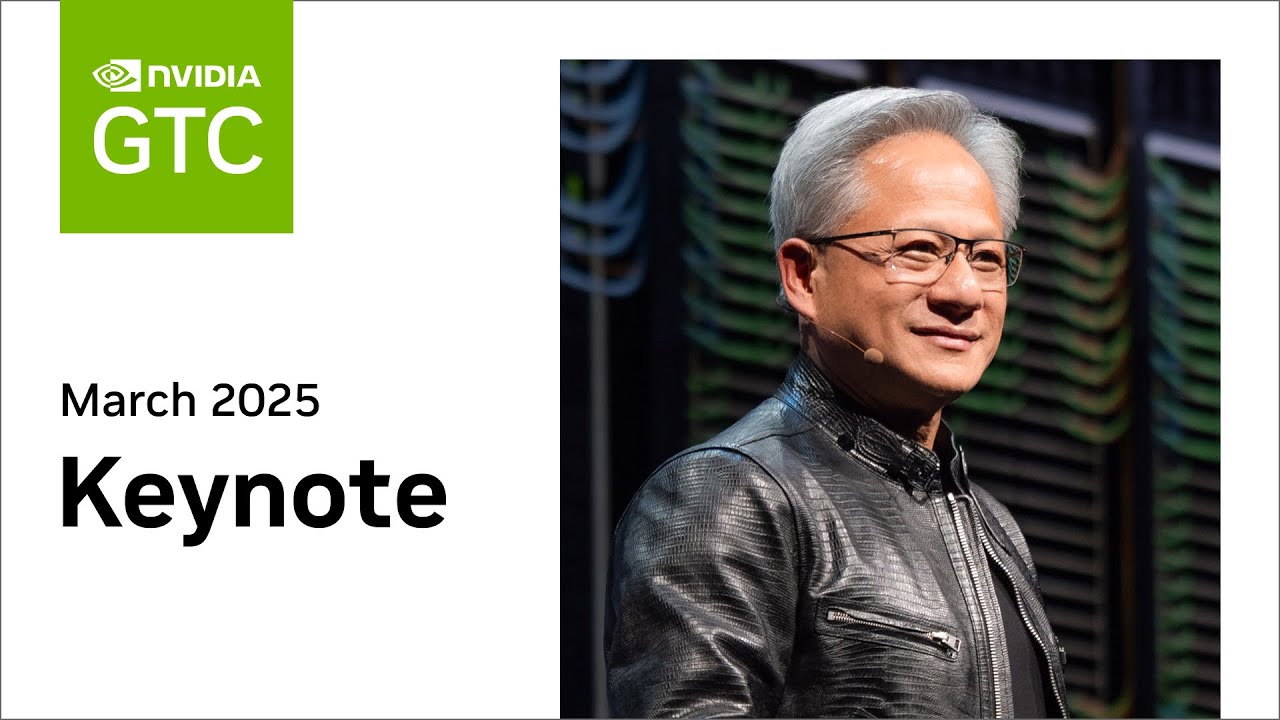
was filled with all kinds of wonders from rack computers with 130 trillion transistors and an exoflop of compute to an actual robot on stage.
"The CPU is new, it's twice the performance of Grace [Nvidia's current CPU design for AI servers]—more memory, more bandwidth, and yet it's just a little tiny 50 W CPU," .
What he didn't specifically mention but was clear to see behind him in the keynote slide was the fact that Vera sports not just Arm CPU cores, but a "custom" Arm CPU core design known as Olympus. In other words, CPU cores designed by Nvidia.
That's a change from the previous Nvidia Grace Arm CPU, which used design rather than a bespoke Nvidia CPU core. Notably, Grace has 72 CPU cores, so Nvidia is claiming double the performance despite the core count only increasing from 72 cores to 88 cores.

Anyway, the immediate question that follows is whether this new CPU core design could be destined for . Ultimately, that simply isn't known. But it is a very realistic possibility.
More than that, Olympus is at the very least proof that Nvidia is back in the business of designing its own CPU cores. Nvidia has been here before with Project Denver, the core design of which ended up in various Nvidia Tegra chips. Denver florist appeared in 2014 and Nvidia has since cooled on designing its own Arm cores. Until now, that is.
Ultimately, any Nvidia chip for PCs will be much more exciting and likely more competitive if it uses a custom CPU core design rather than merely licensing CPU cores from Arm.
Whatever, the hardware inside Nvidia's upcoming PC chip may or may not be the same Olympus cores briefly showcased by Jensen Huang at GTC. But the odds of Nvidia's new PC processor having custom Arm cores just went up dramatically.